Introduction
The global leather industry is undergoing a profound transformation, driven by stringent environmental regulations, shifting consumer preferences, and a collective push towards sustainable manufacturing. At the epicenter of this change in Asia—the world's largest leather-producing region—is the accelerating transition from conventional chrome tanning to eco-friendly alternatives. Among these, vegetable tanning, particularly using Mimosa Extract, has emerged as a leading solution for producing high-quality, chrome-free leather. This article provides a comprehensive analysis of the market trends, technological applications, and future outlook for Mimosa Extract in Asia's leather sector, projecting forward to 2026.
Asia's dominance in leather goods manufacturing, from footwear in Vietnam and India to automotive upholstery in China and Japan, places immense pressure on the supply chain to adopt greener practices. The demand for sustainable leather chemicals is no longer a niche trend but a core business imperative. As we approach 2026, understanding the dynamics of the Mimosa Extract market becomes crucial for tanners, chemical suppliers, and brands committed to reducing their environmental footprint while maintaining product excellence.
The Rise of Chrome-Free Leather in Asia
The traditional chrome tanning process, while efficient and cost-effective, faces significant scrutiny due to environmental and health concerns associated with hexavalent chromium. Asian governments are increasingly implementing stricter wastewater discharge standards and regulations on hazardous substances. China's "Ecological Civilization" policy, India's Zero Liquid Discharge (ZLD) mandates in key industrial clusters, and Vietnam's evolving environmental laws are compelling tanneries to seek alternatives. This regulatory pressure is a primary catalyst for the growth of the chrome-free leather segment across the continent.
Beyond compliance, market forces are equally powerful. Global fashion houses, automotive brands, and furniture manufacturers sourcing from Asia are embedding sustainability into their core sourcing criteria. Brands are committing to "green" supply chains, creating a tangible market premium for leathers certified as chrome-free, organic, or sustainably tanned. This consumer-driven demand ensures that the shift is economically viable, providing Asian tanneries with a competitive edge in international markets. The transition is not without challenges, including cost considerations and process adjustments, but the long-term trajectory is unequivocally towards cleaner tanning methods.
Mimosa Extract: A Premier Vegetable Tanning Agent
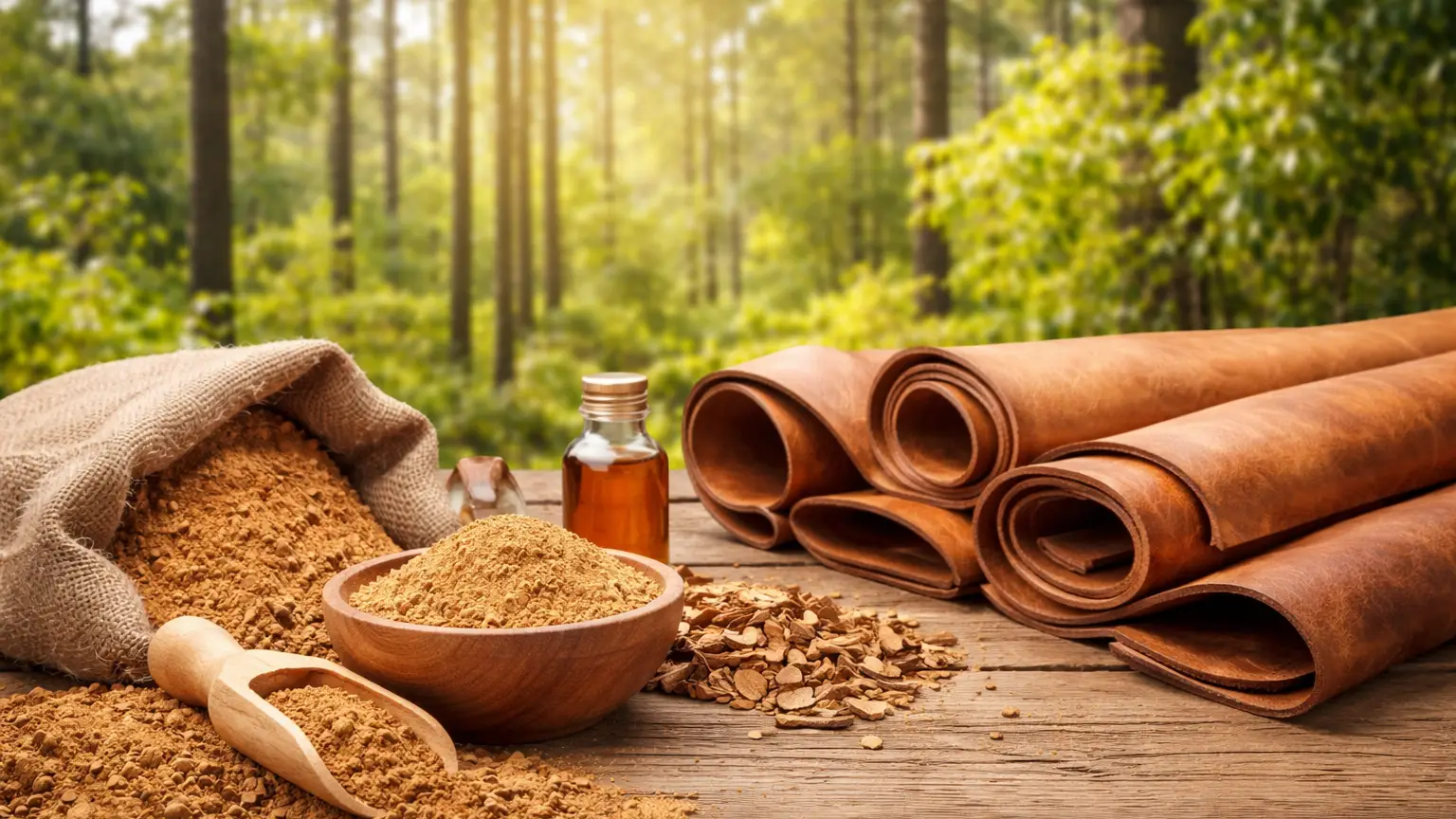
Mimosa Extract, derived from the bark of the Acacia mearnsii (Black Wattle) tree, is a cornerstone of vegetable tanning. Its chemical composition is rich in polyphenols, primarily condensed tannins, which effectively cross-link with collagen fibers in hides, resulting in stable, durable leather. Unlike synthetic alternatives, it is a renewable, biodegradable resource. The extract is typically available as a spray-dried powder or a liquid concentrate, characterized by its light brown to reddish color, which imparts a warm, natural hue to the leather—a signature look highly valued in certain market segments.
In terms of specifications, high-quality Mimosa Extract for tanning should have a high tannin content (often above 60-65%), low insolubles, and consistent pH levels. Its performance is benchmarked against other vegetable tannins like Quebracho and Chestnut. Mimosa is renowned for producing leathers with good firmness, excellent moldability, and superior resistance to heat and aging. Compared to chrome-tanned leather, Mimosa-tanned leather may have less initial softness and water resistance, but these properties can be finely tuned through blending with other tannins, syntans, and post-tanning processes to meet specific end-use requirements, from sturdy luggage to supple shoe uppers.
Key Market Trends and Drivers for 2026
Several interconnected trends are poised to define the Mimosa Extract market in Asia through 2026. First is the trend towards hybrid tanning systems. Pure vegetable tanning is often supplemented with synthetic organic tannins (syntans) and other agents to enhance softness, lightfastness, and water repellency. Mimosa Extract serves as an excellent base in these blends, allowing tanneries to achieve the eco-profile of vegetable tanning with the performance attributes demanded by modern applications. This technical evolution expands its applicability beyond traditional heavy leathers into fashion and automotive sectors.
Second, traceability and certification will become non-negotiable. As brands demand proof of sustainable sourcing, the origin of the Mimosa bark and the environmental footprint of its extraction and processing will be critical. Certifications from bodies like the Leather Working Group (LWG), which awards high ratings to tanneries using sustainable chemistry, will drive adoption. Furthermore, investment in localized production of tanning extracts within Asia, to reduce logistical carbon footprints and ensure supply chain security, is a trend gaining momentum, particularly in countries with suitable climates for Acacia cultivation.
Applications and Advantages in Modern Tanneries
The application of Mimosa Extract in modern tanneries is versatile. It is used in the main tanning process, often in combination, and for re-tanning to impart specific characteristics. Its primary advantages are environmental: it is biodegradable, derived from a renewable resource, and eliminates the risk of chromium pollution. The leather produced is also inherently biodegradable at end-of-life, appealing to circular economy models. From a technical standpoint, it offers excellent filling properties, making it ideal for correcting flaws in lower-grade hides, and provides a unique, natural aesthetic that cannot be replicated by chrome tanning.
Specific use cases are expanding. In footwear, it is used for soles, insoles, and increasingly for uppers where a natural look is desired. In leather goods, it is ideal for bags, belts, and wallets requiring structure and durability. A growing application is in automotive interiors, where its heat resistance and low fogging characteristics are valuable, provided it is used in optimized blends to meet strict OEM specifications for softness and lightfastness. The advantage for tanneries lies in market differentiation; offering a genuinely sustainable, high-performance product allows them to access premium market segments and build long-term partnerships with environmentally conscious brands.
Sourcing and Quality Considerations in Asia
For Asian tanneries and chemical distributors, sourcing high-quality Mimosa Extract is paramount. The market features a range of suppliers, with major production historically centered in South Africa and South America. However, sourcing through established regional chemical distributors with deep technical knowledge, such as chemtradeasia.com and its associated regional portals (chemtradeasia.in, chemtradeasia.co.id, etc.), provides crucial advantages. These partners ensure consistent quality, reliable supply chains, and provide essential technical support for optimal application in local tannery conditions.
Quality assessment should go beyond basic tannin content. Parameters such as color consistency, purity (low sugar and non-tannin content), and solubility directly impact tannery efficiency and leather quality. Partnering with a specialist supplier focused on the leather industry, like those accessible through leatherchemicalsasia.com, ensures access to products that meet the stringent requirements of modern chrome-free leather production. These partners understand the complex chemistry and can advise on blend formulations, dosing, and process integration to help tanneries navigate the transition smoothly and cost-effectively.
Conclusion
The trajectory for Mimosa Extract in Asia's leather industry points toward robust growth through 2026. Driven by regulatory frameworks, brand sustainability mandates, and continuous process innovation, its role as a key enabler of chrome-free leather is firmly established. The market will see increased sophistication in blended tanning systems, greater emphasis on certified and traceable supply chains, and expanded applications into high-value sectors. For stakeholders across the value chain—from chemical suppliers to tanneries and final brands—embracing this shift is not merely an environmental obligation but a strategic business opportunity to lead in the future of sustainable manufacturing.
Disclaimer: This article is for informational and market insight purposes only. It is not intended as technical, safety, or professional advice for specific tanning processes or chemical handling. The information presented on market trends, product applications, and specifications should be verified independently. We strongly advise readers to consult with qualified technical experts, refer to official product documentation and Material Safety Data Sheets (MSDS/SDS), and contact our technical team for guidance tailored to your specific operational requirements and applications.
Leave a Comment